

Things to Consider Before Buying a Property (Especially for a Relocatable Home)
Disclaimer: The information in this article is general in nature and is not intended to be financial, legal, planning, engineering, or real estate advice. Every property is different, and buyers should always seek advice from qualified professionals, including real estate agents, town planners, surveyors, engineers, solicitors, and finance specialists before purchasing property. The following points are based on common considerations and lessons we've seen throughout our years in the house relocation industry.
Before Buying Any Property
Purchasing land is one of the biggest investments most people will make, so it pays to do as much research as possible before signing a contract. Here are three main things we have learnt from dealing with property owners throughout the years.
1. Understand Local Council Requirements
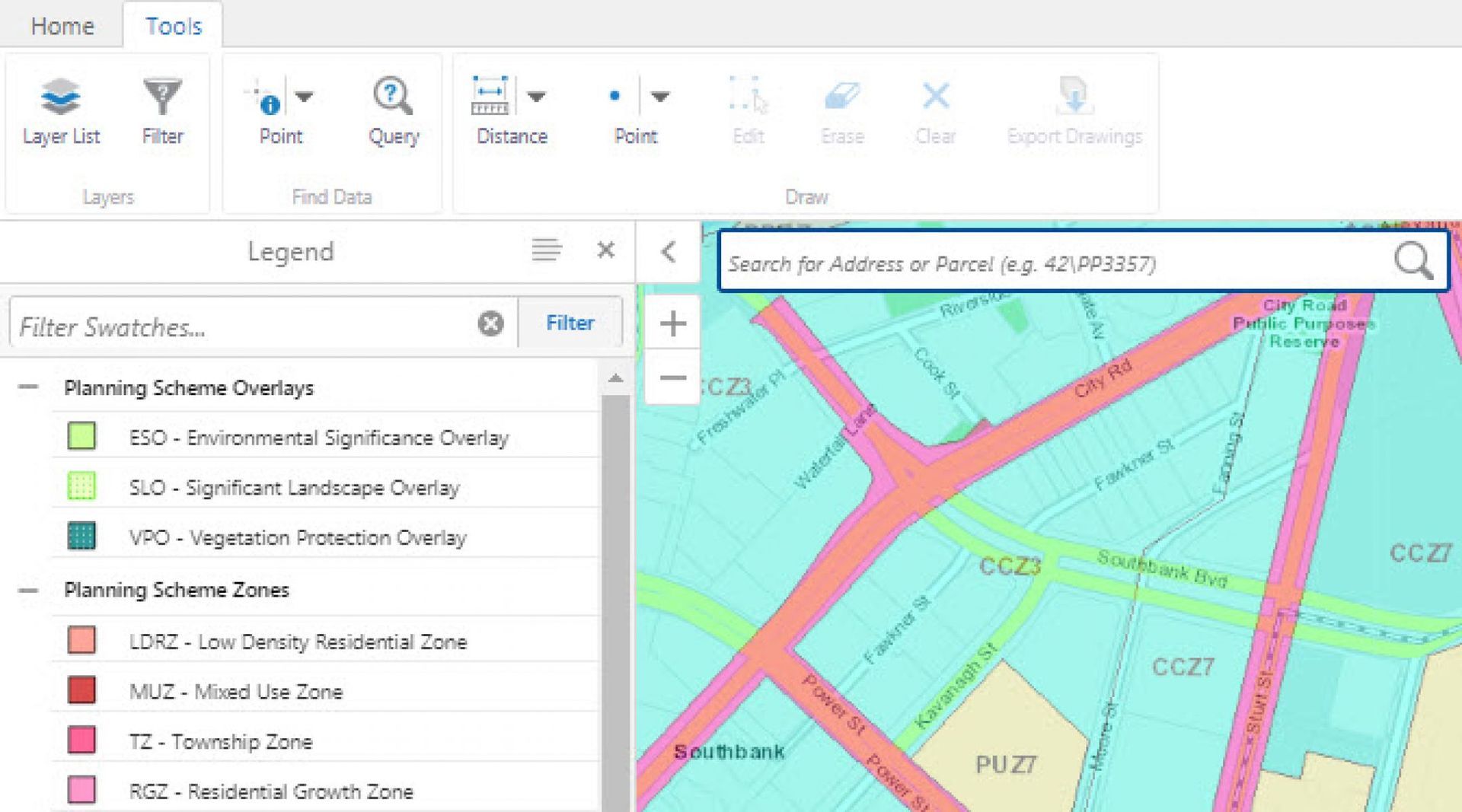
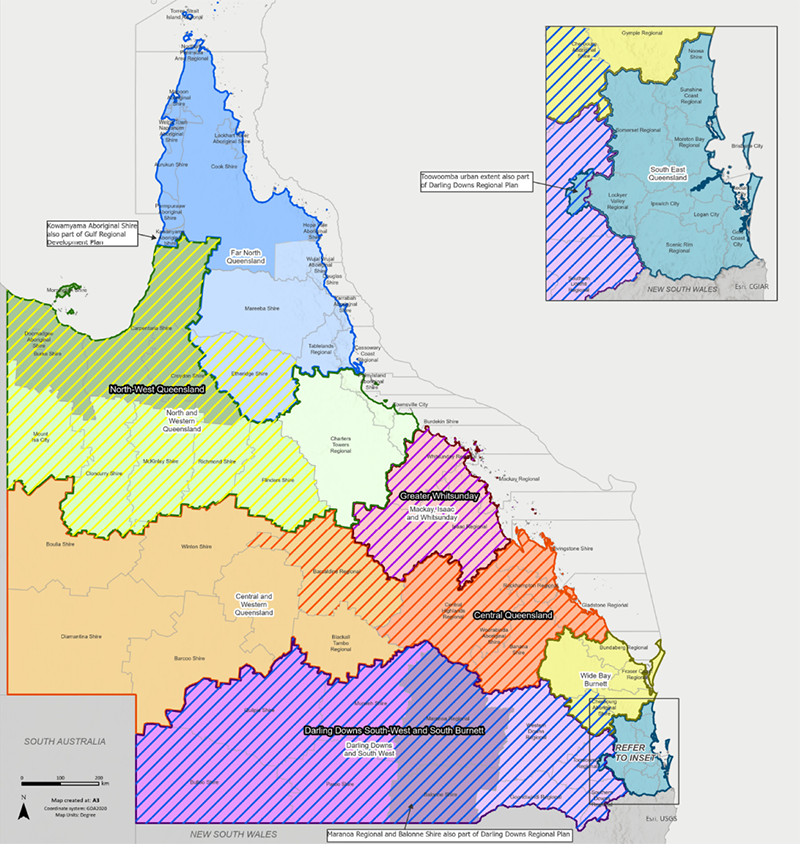
Every council has different planning schemes, zoning requirements, overlays, and approval processes. What may be permitted on one property may not be allowed on another.
For more information, see our 'Council Planning Overlays' blog.
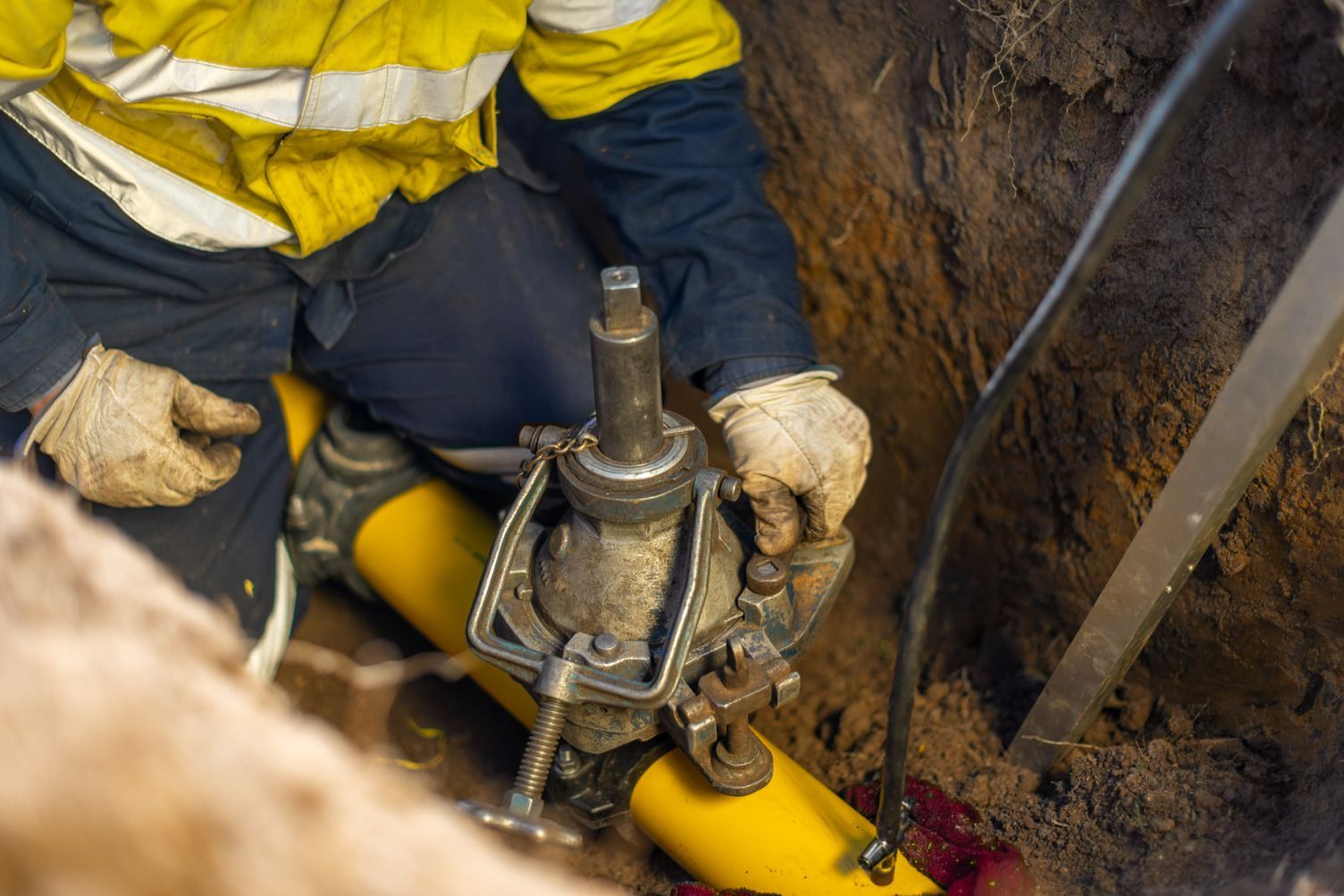
2. Confirm Access to Services
Investigate the availability and condition of:
- Electricity
- Water
- Sewerage or septic systems
- Stormwater connections
- Internet and telecommunications
- Gas services (where applicable)
Connecting services can sometimes cost more than buyers expect.
3. Assess Flood and Drainage Risks
Even if a property isn't in a designated flood zone, poor drainage can create problems during heavy rainfall.
Look at:
- Historical flooding records
- Surrounding waterways
- Low-lying areas
- Existing drainage infrastructure
- Water flow paths during major rain events
Additional Things to Consider Before Buying Land for a Relocatable Home
When purchasing a block specifically for a relocated house, several additional factors come into play.
1. Can the House be Approved Onsite?
This is one of the most important questions to answer before purchase. Not all blocks are suitable for relocated homes.
Check:
- Council requirements for relocated dwellings
- Minimum dwelling standards
- Building approval requirements
- Design guidelines
2. Ensure Suitable Access and Delivery
The house may fit on the block, but can it physically get there from the original site?
It is important to check for road access to your site, bridge restrictions (including height and mass restrictions), powerlines clearances and exclusion zones, tree clearances (as removal of council trees is the responsibility of the owner), tight intersections, and exisiting structures near the access point.
Although King House Relocators determines the route and prepares the permit, early route investigations can save significant time and money.
3. Check Available Building Area
Just because a block is large doesn't necessarily mean the whole area is usable.
You should consider:
- Setback requirements
- Easements
- Flood restrictions
- Building envelopes
- Existing infrastructure
Final Thoughts
A great block of land is about more than location. For relocated homes, it's also about access, approvals, services, site conditions, and long-term suitability.
Taking the time to investigate these factors before purchasing can save significant time, money, and stress throughout your project. Every site is unique, and while no amount of preparation can eliminate every challenge, asking the right questions early can help set your relocation project up for success.